Astrology Basic Principles
Astrology Basic Principles is the science of planet movement and it’s
effect on the human nature due the movement of the planets, Astrology Basic Principles gives you the out line of your life and show the right path to adopt to save yourself from coming problems and way of life to make it more happy and peaceful.

Astrology Basic Principles: Some basic principles of Astrology as:
Read More: Palmistry
Astrology Basic Principles there are nine planets with Personality
 i) Sun/Suryaa(aspect:7) in Astrology Basic Principles
Represent the pleasure of Father, Physic, Physical strength, patience, Coureageous, High Rank officals, Political Dominance ,Leader, Administrative sectors, Fame , popularity, Satva Guni, Life Long, Ambitious, Self Respected, Generous, travel to pilgrims/forest,
In Astrology Basic Principles Lord of Aeries, East direction and Day power. Exalt at Aeries at 10 deg and debilitate at Libra with same deg. It Karak of 1/9/10 House. If it is in Favorable position the person gets high position in Govt. Service, Father Pleasure, Pleasing personality,
The Sun governs Bones and skeleton (especially the spine)Overall vitality and stamina Height and posture (upright or stooped).The right eye (in men), left eye (in women),Lean vs. muscular vs. frail build
Hair (especially early balding or thick hair),A strong, well-placed Sun usually gives:. Tall or above-average height
Strong, prominent bone structure (square jaw, broad shoulders, good posture)Lean, athletic, or muscular build (rarely obese),Good muscle tone even without much training Confident, erect walk
A weak or afflicted Sun tends to give:, Shorter stature or poor posture Weak bones, early osteoporosis risk
Thin, frail, or “skinny-fat” appearance, Early hair loss or thinning hair.Rounded shoulders, less commanding presence
Sun’s sign placement and physique (Vedic + Western traditional)Typical physique description (classical texts)as Astrology Basic Principles
Sun in sign Aries: Astrology Basic Principles shows Muscular, athletic, broad shoulders, fast metabolism
Taurus in Astrology Basic Principles: Stocky, thick neck, strong lower body, tendency to gain weight in neck/shoulders
Gemini in Astrology Basic Principles: Tall and lanky, long arms, youthful look, hard to gain muscle
Cancer in Astrology Basic Principles: Rounded features, tendency to hold water/fat in stomach, shorter or medium height
Leo in Astrology Basic Principles (own sign):Most “solar” look: tall, regal posture, thick hair (or early bald with dignity), commanding build
Virgo in Astrology Basic Principles: Slim, proportionate, refined bones, rarely bulky
Libra in Astrology Basic Principles: Balanced, symmetrical body, graceful, good skin and posture
Scorpio in Astrology Basic Principles: Muscular or stocky, intense eyes, strong but compact build
Sagittarius in Astrology Basic Principles: Tall, athletic legs, tendency toward rectangular or “rangy” body
Capricorn in Astrology Basic Principles :Thin or bony when young, strong dense bones later, often short-to-medium with good frame
Aquarius in Astrology Basic Principles: Tall, unusual or angular bone structure, lean
Pisces in Astrology Basic Principles: Soft, rounded, delicate bones, tendency to escapist weight gain
3. House placement of the Sun as Astrology Basic Principles
Sun in 1st house (Lagna) in Astrology Basic Principles : Strongest influence → very “solar” physique: tall, bony prominence, confident bearing, hair issues if afflicted
Sun in 10th house: Good height, strong spine, authoritative appearance
Sun in 6th, 8th, or 12th: Often weaker vitality and thinner or more fragile build
4. Aspects and conjunctions as Astrology Basic Principles
Sun + Mars → Very muscular, defined, “cut” look, veiny
Sun + Jupiter Large frame, tendency toward dignified bulk (not fat), tall
Sun + Saturn Thin, bony, dark circles, shorter or stooped, early aging look
Sun + Venus Handsome/symmetrical but softer, less bony prominence reduced
Arnold Schwarzenegger: Sun in Leo in 1st house → classic extremely strong solar physique
Bruce Lee: Sun exalted in Aries conjunct Mars → small but extraordinarily muscular and defined
Many very tall basketball players have Sun in Sagittarius or Aquarius
Summary – Astrological view
If Sun is debilitate state give disturbances in life and services, Eye Problem &Health Problem gives bad results
Stone : Manik
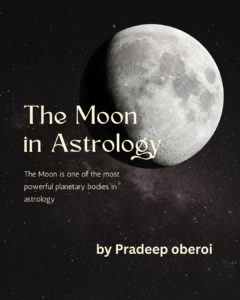
ii)Astrology Basic Principles Moon/ Chandramma(aspect:7)
:Related to emotions, Mother pleasure, Generosity, Soft spoken,Mental happiness and Peace, Imagination power, Family Happiness, beauty, Wife Pleasure, Memory, Vehicles Pleasure, Left eye, Occult science, Travel at far distant world, Blood flow ,perfumes ,Society, Night Power,
Lord of Cancer ,Exalt at Taurus at 3 deg and 27 deg at Mool Trikonta, Debilitate at 3 deg Scorpion
Karak as Astrology Basic Principles at 4th House
If in unfavorable State Mental tension, Mother unpleasant, Loss of Money, unfavorable results
General Moon-ruled Physical Traits as Astrology Basic Principles
Traditionally, people strongly influenced by the Moon (Moon in Cancer, Moon on Ascendant, Moon in 1st house) are described as having::Round or soft features,Fuller cheeks / round face ,Soft or gentle eyes Curvier or softer body shape ,Pale or “glowing” skin tone Fluid body weight (easily gaining or losing weight depending on emotions)Youthful appearance Strong emotional expression on the face The Moon is associated with water, so the body is said to retain fluid or change shape based on emotional cycles.
Moon Astrology Basic Principles by Zodiac Sign – Physical Physique Influence
Moon in Fire Signs Astrology Basic Principles(Aries, Leo, Sagittarius)More athletic or energetic body, Quick movements, Strong expressions Tendency for heat or redness in skin
Moon in Earth Signs Astrology Basic Principles (Taurus, Virgo, Capricorn) Solid, steady physique, Sharper or more defined features Strong bones or muscular density,Slow but graceful movements
Moon in Air Signs as Astrology Basic Principles(Gemini, Libra, Aquarius):Lean or taller physique, Expressive gestures, Softer or more refined face (especially Libra)Weight can fluctuate lightly
Moon in Water Signs as Astrology Basic Principles (Cancer, Scorpio, Pisces):Soft, emotional, or mystical appearance: Round or fluid body shape, Sensitive skin Strong emotional expression in the eyes
Moon in the 1st House (Ascendant):This is the strongest influence on physical appearance in Astrology Basic Principles
People often have: A round or soft face ,Gentle, sensitive eyesA nurturing, approachable lookFluid body weight“Moony” or dreamy charm
They are also emotionally expressive in their body language.
Moon Strength as Astrology Basic Principles (Exalted / Debilitated)
| Moon State | Physical Traits |
|---|---|
| Exalted (Moon in Taurus) | Beautiful face, stable health, calm glow |
| Own Sign (Cancer) | Soft, expressive face, round features |
| Debilitated (Scorpio) | Magnetic but intense appearance, strong eyes, emotional physical tension |
Stone: Pearls/Moon Stone
iii) Astrology Basic Principles Mars/Magal:(aspect:7/4/8)
Mars is the Lord of Aeries and Scorpio , Exalt at Capricorn at 28 deg where as debilitate at Cancer, Friendly with Sun , Moon and Jupiter but enemy of Mercury, It is the Karak of 3/6 House and Stone : Coral /Mooga
Physique (Body Features) Influenced by Mars
People strongly influenced by Mars (Mars in Lagna, own sign, exalted, or strongly placed) often show :Strong, athletic, muscular body, Broad shoulders ,Sharp, bright eyes, Reddish or wheatish complexion, Quick movements, Powerful hands and legs ,Active and energetic appearance, Fast walking style
Astrology Basic Principles as Characteristics of Mars
Mars gives: Courage, Determination ,Confidence Passion, Competitiveness, Strong leadership, Ability to take risks, Quick decision-making, High stamina and physical strength
Behaviour of Mars Astrology Basic Principles-Influenced People
Positive Behaviour as Astrology Basic Principles: Brave and fearless, Hard-working and dynamic, Decisive and straightforward, Protective of family, Strong willpower, Problem-solvers, Leadership qualities
Negative Behaviour:(if Mars is weak afflicted): anger, impatience, aggressive, speech, argumentative, impulsive actions. Short-tempered, Risk-taking without thinking, Dominating nature
iv)Astrology Basic Principles Mercury/ budh:(aspect:7)
Intelligence • Communication • Logic • Business • Writing • Learning • Speech • Analysis • Nervous system Nature: Neutral (acts according to association)
Physical Appearance of a Person Influenced by Mercury asAstrology Basic Principles
🧍♂️ General Body Structure: Lean, slim, or well-proportioned body, Medium or short height (rarely bulky), Light and flexible body movements, Appears younger than actual age, Quick reflexes and agile posture
👤 Face & Head: Oval or narrow face, Sharp or pointed chin,Well-defined nose (often straight)Expressive facial expressions, Alert and observant look
👀 Eyes: Bright, lively, and intelligent eyes, Constant movement in eyes while speaking, Curious and observant gaze
🧠 Skin & Complexion: Clear or smooth skin, Wheatish, fair, or light complexion. Sensitive skin (prone to allergies if Mercury is weak)
🗣️ Speech & Voice: Fast, clear, and articulate speech, Pleasant, youthful voice, Uses hands and facial expressions while talking
Gender: Neutral Friends: Sun, Venus,Enemies: Moon Neutral: Mars, Jupiter, Saturn
Astrology Basic Principles EFFECTS OF MERCURY ON PERSONALITY
MERCURY IN DIFFERENT ZODIAC SIGNS
♈ Mercury in Aries as Astrology Basic Principles(1): Sharp, fast-thinking, bold speaker, Impulsive decisions, argumentative nature, Leadership in debate, marketing, politics
♉ Mercury in Taurus as Astrology Basic Principles(2): Practical, slow but steady thinker, Sweet speech, business-mind, Strong memory, conservative communication
♊ Mercury in Gemini as Astrology Basic Principles(3) (Own Sign):Highly intelligent, witty, excellent communicator, Multi-talented, curious, adaptable, Ideal for teaching, media, writing
♋ Mercury in Cancer as Astrology Basic Principles(4):Emotional thinking, intuitive mind ,Good memory, sensitive speech, Mood-dependent decisions
♌ Mercury in Leo as Astrology Basic Principles(5): Commanding speech, authoritative thinker, Dramatic expression, confident ideal, Leadership in administration or public speaking
♍ Mercury in Virgo as Astrology Basic Principles(Exalted)(6):Analytical genius, perfectionist, Logical, detail-oriented, excellent planner, Strong in math, science, editing
♎ Mercury in Libra as Astrology Basic Principles(7): Diplomatic communicator, balanced thinking, Artistic expression, good negotiator May struggle with decision-making
♏ Mercury in Scorpio as Astrology Basic Principles(8):Deep thinker, secretive communicator, Research-oriented, psychological insight, Sharp tongue when provoked
♐ Mercury in Sagittarius as Astrology Basic Principles (9):Philosophical thinker, idealistic, Straightforward speech, teaching mindset Sometimes tactless honesty
♑ Mercury in Capricorn as Astrology Basic Principles(10):Strategic thinker, disciplined speech, Practical intelligence, managerial skills, Serious and reserved communicator
♒ Mercury in Aquarius as Astrology Basic Principles(11):Innovative, scientific, unconventional ideas, Logical yet detached thinking, Interest in technology, reforms
♓ Mercury in Pisces as Astrology Basic Principles (Debilitated)(12):Imaginative, poetic, intuitive, Confused logic, unclear communication Strong in creative writing, spirituality
🏠Astrology Basic Principles as MERCURY IN DIFFERENT HOUSES
1st House as Astrology Basic Principles: Intelligent, expressive personality, Youthful appearance, talkative nature
2nd House as Astrology Basic Principles: Sweet speech, wealth through intellect, Good financial planning skills
3rd House as Astrology Basic Principles: Courageous communicator, writer, Media, marketing, journalism success
4th House(KARAK as Astrology Basic Principles): Educated, scholarly, mental peace at home, Interest in studies, teaching
5th House as Astrology Basic Principles: Intelligent, creative, good for education, Strong analytical and teaching ability
6th House as Astrology Basic Principles: Problem-solver, competitive mindset, Success in service, law, medicine
7th House as Astrology Basic Principles: Business-minded, clever negotiator Intellectual spouse, partnership success
8th, House as Astrology Basic Principles: Research-oriented, secretive thinker, Interest in occult, psychology
9th House as Astrology Basic Principles: Philosophical mind, good teacher, Strong ethical communication
10th House(KARAK as Astrology Basic Principles) :Professional communicator, Success in administration, writing, commerce
11th House as Astrology Basic Principles: Gains through networking and intellect, Large social circle, smart earnings
12t h House as Astrology Basic Principles: Introverted thinker, foreign connection, Spiritual or creative intelligence
Astrology Basic Principles MERCURY WITH OTHER PLANETS (COMBINATIONS)
☀ Mercury + Sun → Budh-Aditya Yoga: Brilliant intellect, leadership, fame, Excellent for education, administration
🌙 Mercury + Moon: Emotional intelligence, Mood-based thinking, strong imagination
♂ Mercury + Mars: Sharp but aggressive speech, Technical, engineering, military mindset
♃ Mercury + Jupiter → Guru–Budh Yoga: Wisdom + logic, Teacher, judge, advisor, scholar
♀ Mercury + Venus: Artistic communication, Writing, music, fashion, media success
♄ Mercury + Saturn: Serious thinker, disciplined mind, Research, law, engineering abilities
☊ Mercury + Rahu: Brilliant but manipulative intellect, Success in technology, hacking, politics
☋ Mercury + Ketu: Spiritual intelligence, Research, astrology, philosophy interest
⚠️ WEAK / AFFLICTED MERCURY RESULTSAstrology Basic Principles: Speech problems, stammering Overthinking, nervousness, Poor concentration, misunderstanding, Business losses due to wrong decisions
🌿 REMEDIES FOR WEAK MERCURY Astrology Basic Principles :Chant “Om Budhaya Namah” (108 times on Wednesday),Donate green items (moong dal, green clothes),Keep fast on Wednesday, Respect teachers and student, Wear Emerald (only after chart analysis)
v)Astrology Basic Principles Jupiter/guru( aspect:5/7/9)
JUPITER (GURU) IN ASTROLOGY: Wisdom • Knowledge • Morality • Dharma • Teaching • Children • Wealth • Expansion • Faith • Spirituality Nature: Pure benefic, Gender: Masculine
Friends: Sun, Moon, Mars, Enemies: Mercury, Venus Neutral: Saturn
Physical Appearance of a Person Influenced by Jupiter
🧍♂️ General Body Structure: Well-built, broad, or heavy body, Medium to tall height, Strong thighs and hips, Tendency to gain weight with age, Calm, steady posture
👤 Face & Head: Broad, round, or large face, Wide forehead (sign of wisdom), Full cheeks, Calm, smiling expression, Majestic or teacher-like appearance
👀 Eyes: Large, kind, and expressive eyes, Golden or honey-like glow in eyes, Trustworthy and reassuring gaze
🧠 Skin & Complexion: Yellowish, wheatish, or golden complexion, Glowing skin (if Jupiter is strong and benefic), Smooth but thick skin texture
🗣️ Voice & Speech: Deep, calm, authoritative voice, Speaks slowly, thoughtfully, Speech carries wisdom and guidance
🚶 Body Language: Graceful and dignified movements, Relaxed walk, Natural confidence without arrogance
🧠 EFFECTS OF JUPITER ON PERSONALITY
🔹 JUPITER IN DIFFERENT ZODIAC SIGNS
♈ Jupiter in Aries: Courageous, confident, leadership-oriented, Action-based wisdom, impulsive guidance Strong moral beliefs
♉ Jupiter in Taurus: Practical wisdom, wealth-oriented, Patient, stable, value-driven personality, Interest in finance and teaching values
♊ Jupiter in Gemini: Intellectual, talkative, versatile thinker, Knowledge spread through communication May lack depth or consistency
♋ Jupiter in Cancer (Exalted):Highly nurturing, compassionate, protective, Strong emotional intelligence Excellent teacher, counselor, guide
♌ Jupiter in Leo: Noble, authoritative, generous, Natural mentor or leader, Strong sense of honor and ethics
♍ Jupiter in Virgo: Analytical wisdom, service-minded, Practical spirituality, logical teaching, Sometimes overly critical
♎ Jupiter in Libra: Fair-minded, diplomatic, just, Good advisor, counselor, judge Balanced ethical outlook
♏ Jupiter in Scorpio: Deep spiritual insight, transformative wisdom, Interest in occult, psychology Intense moral beliefs
♐ Jupiter in Sagittarius (Own Sign):Philosophical, idealistic, optimistic, Strong belief system, teacher mentality, Truth-seeker, traveler
♑ Jupiter in Capricorn (Debilitated):Disciplined but restricted wisdom, Practical ethics, late spiritual growth, Struggles with faith initially
♒ Jupiter in Aquarius: Humanitarian, progressive thinker, Social reformer, futuristic wisdom, Detached belief systems
♓ Jupiter in Pisces (Own Sign):Highly spiritual, compassionate, intuitive, Strong faith, divine connection, Ideal for monks, healers, counselors
🏠 Astrology Basic Principles asJUPITER IN DIFFERENT HOUSES
1st House: Wise, optimistic, respected personality, Moral authority, good physique
2nd House(KARAK): Wealth through knowledge, Honest speech, good family values
3rd House: Motivational speaker, courageous thinker, Teacher through communication
4th House: Inner peace, educated family, Spiritual environment at home
5th House(KARAK): High intelligence, creativity, Excellent for teachers, scholars, children blessings
6th House: Service-oriented, ethical worker, Can defeat enemies with wisdom
7th House: Wise spouse, good advisor in partnership, Ethical business dealings
8th House: Occult wisdom, longevity knowledge, Spiritual transformation
9th House(KARAK): Extremely auspicious placemen, Strong luck, dharma, guru blessings
10th House(KARAK): Ethical career, respected authority, Success in law, education, religion
11th House(KARAK): Gains through teaching, networks, Influential social circle
12th House: Spiritual liberation, charity, Foreign spiritual connections
Astrology Basic Principles as JUPITER WITH OTHER PLANETS (COMBINATIONS)
☀ Jupiter + Sun: Righteous leader, high moral, Political, administrative success
🌙 Jupiter + Moon → Gaja-Kesari Yoga: Emotional wisdom, fame, prosperity, Popular, respected personality
♂ Jupiter + Mars → Guru–Mangala Yoga: Courageous, ethical action-taker ,Leadership, military, politics
☿ Jupiter + Mercury → Guru–Budh Yoga: Intelligence + wisdom, Teacher, judge, advisor, writer
♀ Jupiter + Venus: Love for arts, luxury, spirituality, Conflict between material and moral values
♄ Jupiter + Saturn: Disciplined, mature, serious wisdom, Long-term success after struggle
☊ Jupiter + Rahu → Guru Chandal Yoga: Distorted beliefs, unconventional faith Can be genius or misguided depending on strength
☋ Jupiter + Ketu: Strong spiritual detachment, Past-life wisdom, monk-like nature
⚠️ WEAK / AFFLICTED JUPITER RESULTS Astrology Basic Principles: Lack of confidence or faith, Poor judgment, unethical decisions, Problems related to teachers, children, wealth, Delayed success
🌿 REMEDIES FOR WEAK JUPITERAstrology Basic Principles{Chant “Om Gurave Namah” (108 times on Thursday),Donate yellow items (turmeric, chana dal, clothes),Respect teachers, elders, gurus, Fasting on Thursday ,Wear Yellow Sapphire (after proper horoscope analysis)
vi) Astrology Basic Principles as Venus/ Shukra 🙁 aspect:7)
Sun is soul in which it is present
Moon is mind, during the setting state Desires dried, smile on face but heart loneliness
Mars is energy, during the setting state anger within oneself
speech is Mercury , during the setting state thinking much but unable to speak
science & Knowledge is Jupiter ,during the setting state
Sex is Venus ,during the setting state show incomplete love and in case of SATURN does too much labor but not get desire results tension and difficulties is Saturn whichever is strong it gives the power to it’s basic character.
There are tri characteristic found in Nature
i) Stava Guni (1,5,9) ii) Rajas Guni (2,6,8,) iii) Tamas Guni (3,7,11,) iv)Moksha (4,8,12)
Sun , Moon, Jupiter are Stava Guni in this the person have courtesy, brilliant, have good thoughts, believe in god and power of nature.
Mercury and Venus are Rajo Guni such persons have power wealth, luxurious and licentious
Saturn, Mars, Rahu , Ketu are Tamas Guni having full negative thoughts, selfish, cruel, atheist, Cheat, always causes trouble to others and become happy.
PERSONALITY Astrology Basic Principles
Sun, Mars, Saturn are cruel planet .
Moon, Jupiter, Venus in friendly zodiac or with friendly planet / +Mercury always give good result , If Mercury is with enemy such as Rahu , Ketu give bad result. Neech/less powered Moon do not give good result Mercury and Moon are auspicious planet but when related to some inauspicious give bad result
Jupiter and Venus are auspicious Jupiter makes the man spiritualist and Venus makes the man luxurious and selfish.
Sun, Mars Rahu Jupiter are Male Planets , Moon ,Venus ,Rahu are female Mercury, Saturn Ketu are genderless .
i)Aries/ Scorpio lord Mars i) Mesh/ Vrashtak lord Mangal H 1/8
ii) Taurus/Libra lord Venus ii)Varsh/Tula lord shukar H 2/7
iii)Gemini/Virgo lord Mercury iii) Mithun / Kanya lord budh H 3/6
iv) Cancer/ Karka lord Moon House 4
v ) Leo/Singh lord sun House 5
vi)Sagittarius/Pisces Dhanu/ Meen lord Jupiter House 9/12
vii) Capricorn / Aquarius Makar / Kumbh lord Saturn 10/11
Important:
a)Aries(1),Gemini(3),Leo(5),Libra(7)& Sagittarius are Cruel Rashi but 3,7 and 9 are less cruel as their lords are Good planets 2,4,6,12 are favorable Rashi.
If langnesh is cruel Rashi the person shall be Courageous, Manly, Brave and Valiant if in delicate Rashi than the person is Delicate, submissive, Cultured
b) Aeries, Cancer, Libra, Capricorn are Variable Rashi and Taurus, Leo, Scorpio, Aquarius are stable Rashi , Where as Gemini, Virgo, Sagittarius, Pisces are dual form Rashi
(c)If the person born in Variable Rashi he/she likes travel liking ,If in Constant Rashi the person wants to work at one place and spend Life at the place, Dual form have mixed character. If Variable Rashi have more planets the persons are wise, thoughtful,short temper and easily impressive If in Constant Rashi more thoughtful but less practical, no loose temper and not easy to impressive, but in mixed we find both characters.
Astrology Basic Principles:Ouch Rashi :Exaltation planets
i)Sun in Aries (1)with 10°(exalt)== Libra(7) with 10°(Debilitate)
ii)Moon in Taurus(2) with 3° (exalt)== Scorpio (8)with 3° (Debilitate)(TENSION IN MARRIED LIFE)
iii)Mars in Capricorn(10) with 28° (exalt)= Karak/Cancer (4)with 28°(debilitate)
iv) Mercury in Libra(7) with 15°(exalt) == Pisces(12) /Meen with 15°(debilitate)
v)Jupiter in Cancer(4)/ with 5°(exalt) == Capricorn(10)/ Makar with 5°(debilitate)
vi)Venus in Pisces(12) with 27° (exalt)== Virgo/ Kanya (6)with 27° (debilitate)(TENSION IN MARRIED LIFE)
vii)Saturn in libra (7)/Tula with 20° (exalt) == Aeries (1)with 20°(debilitate)
viii) Rahu in Taurus (2)with 15° (exalt) == Scorpio (8)with 15° (debilitate)
Mool tri Kona is of dignity of planet when it occupies its own sign but with certain degree where it performs its task and duties in high efficient manner. It is powerful and gives full force .
i)Sun in Leo(5) (1–20°) M === Leo (5)(20°- 30°) Sava Rashi
ii)Moon in Taurus(2) (3- 30°) M ==== Cancer(4) (1-3°) Sava Rashi
iii) Mars in Aeries(1) (1- 12°) M === Aeries (1)(12°- 30°) Sava Rashi
iv) Mercury in Virgo(6) (16- 20°)M == Virgo(6) (20- 30°) SavaRashi
v)Jupiter in Sagittarius (9)(1- 13°)M = Sagittarius (9)(13 – 30°) SavaR
vi)Venus in Libra(7)/ Tula in(1- 10°)M = Tula/ Libra (7)(10-30°) SavaR
vi) Saturn in Aquarius(11)/ Kumbh in (1-20°)M == Kumbh ( 20-30°)S
vii)Rahu in Aquarius(11)/ Kumbh( 1-30°) == Capricorn(10) and Virgo(6)(SR)
Note: When any planet lies in exalt state it has it’s full power , If it is in Mooltrikona state it’s power is 75% in Sava Rashi is 50% or in friendly sign it is 25 % powerful.
Same is the effect with enemy planetary conditions.
Astrology Basic Principles:Friendly/Enemies/ Neutral Relationship
a)SUN——— MOON/MARS/JUPITER (F) SATURUN(E) MERCURY (N)
b)MOON—— SUN/MERCURY/JUPITER (F) RAHU/KETU( E) MARS/VENUS/SATURN (N)
c) MARS——–SUN/MOON/JUPITER (F) SATURN(E) MERCURY/VENUS (N)
d)MERCURY ——–SUN/VENUS/SATURUN (F) MOON/MARS (E) JUPITER (N)
e)JUPITER———SUN/ MOON/MARS (F), SATURN (E) , MERCURY/ VENUS (N)
f) VENUS ———–MERCURY/ SATURN (F) , SUN/MOON/ MARS (E) JUIPTER (N)
g) SATURUN——– MERCURY/ VERNUS (E) SUN/ MARS (E) MOON/ JUPITER (N)
h) RAHU/KETU ———-MERCURY/VENUS/SATURUN (F) SUN/MOON/MARS/JUPITER (E)
Astrology Basic Principles:DRISHTI i)MARS reduces the influence of MERCURY/VENUS/MOON ii} SATURUN reduces the Influence of SUN/MOON iii) JUPITER increases the power of SUN/MOON iv) VENUS increases the power of MOON/SATURN v) SUN increases the power of JUPITER and MOON vi) MERCURY increases the power of SATURN vii) RAHU reduces the power of SUN but Increases the POWER of SATURUN/MERCURY/VENUS/MARS viii) KETU reduces the power all
ASPECTS : SUN (7) ,MOON (7) MERCURY(7) ,VENUS (7)MARS (4th, 7th, 9th ) JUPITER (5th.7th ,9th) SATURUN(3rd,7th,10th) RAHU (5th,7th,9th 12th) Same with KENTU
SUN/MOON/MERCURY/VENUS : 25% (3rd and 10 th House) , 50% (5th and 9th House) , 75%(4th and 8th house)
MARS : 25% at 7 th house. 50% at 8th and 10th House 75% 3rd and 10th house
JUPITER : 25% at (4th and 8th House) ( 50% at 7th House )( 75% at 3rd and 10 th house)
SATURN: (25% at 5th and 9th House) (50% at 4th and 8th House) ( 75% at 7th house)
RAHU/KETU : (25% at 3rd and6th House), (50% at 2 nd and 10 th House) , (75% at 4th and 8th House)
Astrology Basic Principles:HOUSE RELATIONS :
1st House: Personality
2 nd House : Family Paternal
3rd House : Younger brother and Sister
4th House : Mother
5th House: off springs and Romance
6th House : Maternal Uncle and Aunty
7th : 3rd brother, 2nd child, Husband/ wife
8th House : In laws family
9th House: Father/Teacher/younger bother -sister law (wife)
10th House : Mother in Law
11thHouse : Friends/ elder brother / daughter in law ,/Son in law
12 th House : Foreign tour
Astrology Basic Principles: DEMERITS OF EACH ZODIAIC and Favourable Combination
- Mesh/ Aeries(1)( Face) : Full of Anger ————- MARS+ JUPITER (5.8.9 marriage Combin)
- Varshik/Taurus (2) (Hands and Chest): Stick to his/her words————– VENUS+ SATURUN( 4,6,12 marriage)
- .Mithun/Gemini (3)(Heart, Lungs, Liver) : do incomplete work—————– MERCURY+ VENUS (5,3,7 marriage C)
- Kark/Cancer (4)(Liver, Spine, ) : High emotionally—————————-MOON+ MARS (8,6,2 marriage C)
- Singh/Leo (5)(abdomen) : Highly egoist——————————- SUN+ MARS (9.7,1 Marriage C)
- Kanya/Virgo (6) (intestines below stomach): Selfish———————————— VENUS+ MERCURY ( 4,8.10 marriage C)
- Tula/Libra(7) (Navel, Kidney,): always in Tension—————————SATURN+VENUS (5,11 marriage C)
- Vrishtak/ Scorpio (8) (Knowledge of organs ,Urinary System, Vital organ): Envious in nature———————- MOON+JUPITER (4,10 marriage C)
- Dahnu/Sagitratius (9)( Glands, Thigh) :Bosting in Nature———————-JUPITER+ SUN (11,5,1 Marriage C)
- Makar/ Capricorn (10)( Calf, Knee, ) : Careless————————— SATURN+ VENUS (8,12,6 Marriage C)
- 11.Kumbh/Aquarious(Intestines & Calf)———————————————–SATURN+ VENUS (9,7,3 Marriage C)
- 12.Meen /Picses(12)(Foot and Fingers): Lazy in work—————————–JUPITER+ MARS (8,2, 4 Marriage C)
Astrology Basic Principles:COMBINATION OF PLANETS and it’s RESULT
a) VENUS + MARS =Extra Marital Affairs and defamed
(i) VENUS+ JUPITER= Santan Laxmi Yoga
(ii) VENUS+ RAHU/KETU=Dhan Laxmi yoga/Be aware of close relatives or friends chance for betrayal
(iii) VENUS+ MOON= Money By Luck
iv)VENUS+ MERCURY= Money by Education
(v)VENUS+SATURUN=Money by Good Nature
b) SATURN+ KETU/Rahu = Must not involve in addiction(quarrel Some) (pisach Yoga)
c) SUN+ VENUS + Benefit in Government Service and Social Affairs /High Rich
d) Mars + RAHU =Accidental Incident and Discourse
e) RAHU+ JUPITER=Do not eat Junk Food /Chandal Yoga (bad Results)
(f) MOON+ KETU= Keep Peacock Feathers at Home
(g) MARS+ MOON = Walk as much as you can/ Laxmi Yoga
(h) SATURN+MERCURY= Benefit in Business and have deep thinking thoughts
(i) SATURN+ MOON= Tension of Money/Solitude(Vish Yoga)
(j) SATURUN+SUN = Bad Relations with Father/Ego
(K) SATURUN+ MARS= Aggressive and Egoist
(l) SATURUN + JUPITER : Religious and Successful family duties
(m)MERCURY+ VENUS =High Rich
(n) SATURN+ VENUS = Seriousness in affairs but less tenderness
(o) JUPITER+ MOON = Gaj keseri Yoga gives lot of Money
(p) SUN+RAHU(Omnious Result)
Troublesome Life
P(1)SUN in the 7th House in Tula/Libra(7) very Tension some
p(2) Moon in 6/8 House Scorpio
P(3) Saturn in 1/4/5 House in Aeries/Cancer
P(4) Jupiter in 9/10 House in Capricorn
Astrology Basic Principles:MARRIED LIFE PROBLEM:
If RAHU is Combined with Various Planets which give different effects
i) Moon+ Rahu /KETU,=Gives Mental Tension to Husband/ wife (CHANDRA DOSH)
ii)Mars + Rahu = Stubborn nature nature spouse and do not understand the feeling of the spouse
iii) Venus + Rahu/Mercury = Extra Martial Relations, Marriage against the parents acceptance, final divorce (Dual Marriage)
iv) Sun+ Rahu= Difference due to spouse status and divorce
v)Saturn + Rahu/Ketu = Separation living, dispute and divorce/Loneliness
vi) Mercury+ Rahu= Difference in thoughts , dispute and divorce
vii)Jupiter+ Rahu/Mercury viii) Lord of 7th is in 6th House/8th House ix) Mars in 8th House
MAGAL DOSH: IF MARS lies at 1,4,7,8,12 disputes in family life and Tension
7th HOUSE DOSH :IF the Lord of 7th HOUSE or In the 7th House affected by SATURN, RAHU, KETU,MARS (Dual Marriage)
Astrology Basic Principles:MARRIAGE THAT BRINGS PROPERSITY:
(i)Lords of 2nd and 7th Transform each other or Lord of 7th in 8th House or 4th week and 8th strong
(ii) VENUS/JUPITER at 2 nd HOUSE or Jupiter in 12th House settlement in foreign land with spouse
(iii) Lord of 2nd House in it’s House/exalted state
iv) Combination of Lord of 7th and 2 nd present in Kendra
v) Moon/ Jupiter aspect the 2nd House
vi)Rahu in 2nd with Jupiter/Venus or Rahu in 7th House gives Foreign Partner and Ketu in 1 House ( probability)
vii) VENUS IN 2,7,12 foreign Spouse
viii) Lord of 7th House linked with Lord of 9th,10th House
ix) MOON(12 th House)+ VENUS (emotional and Romantic Partner)
x) MARS+VENUS (good Chemistry in Couple)
xi) MOON+ JUPITER ( harmony Family)
xii) VENUS+ JUPITER (Respectful Bonding) or VENUS +RAHU = foreign Romance
xiii) MOON+ MARS( emotional and Protective Bonding)
xiv)VENUS+SATURUN (Mature and Love Mixed Bonding)
xv)8th House Strong with Jupiter /Moon with the lord of 8th house
xvi) Venus+ Saturn in 8th House
xvi) Lord of 8th House in 1st or 4th lord in 8th House
xvii) Lord of 7th House in 12 th House : Spouse of foreign/settle abroad ( IF 6/8/12 House goes to foreign after marriage)
xviii)Lord of 12th House in 7th House Partner from different Culture/ Country
Astrology Basic PrinciplesLOVE MARRIAGE :COMBINATION OF 5th and 7th HOUSE by LORD TRANSFORMATIONLord of 7th House in 3rd House( Proposal from siblings or friends) if in 9th House (proposal comes from father side/guru/ religious place),Jupiter+ Venus are co- joint ( from family/teacher/elder respected person), Lord of 7th in 4th House( from Mother side) Lord of 7 lies with Rahu ( from Foreign or unusual source), Lord of 7th /Venus in the 10th House (from workplace, boss, colleague or professional network)
JUPITER IN DIFFERNT HOUSE : If Lies at 6th, 8th and 12th luck rises after great struggle 1 House : Intelligent, 2nd House : Eloquent ,3rd House : Miser and Greedy , 4 th House : Comfortable Life Style, 5th House: Wise , 6th House : Enemy less 7th House : Better than Father in progress , 8th House : always like solitude 9thHouse : Saint Nature 10th House : Very Rich , 11th House: Always in profit 12 Th House Moksha
Astrology Basic Principles:DISEASES BY PLANETS:
JUPITER( Gasrtic & Lungs problem),
SUN ( Saliva again and again, Plapation, weakness BP),
MOON: Heart and Eye Problem , VENUS : Skin and Inflamation of Skin
MARS: BP, Indigestive Problem, Liver,
MERCURY : Tooth problem, Nervous, tongue problem,
SATURN Eye and Cough problem
RAHU : Fever, accident suddenly.(1 Hou : Headache, 2ndHou throat, 3rd Hou shoulder, 4th Hou Heart/Chest 5th Hou Stomach , 6th Hou Navel/ Nabhi ,7th H0u Reproductive Organs, 8th Hou : Large Intestine , 9th Hou Pit ,10th Hou Knees 11th Hou calf muscles. 12Hou Feet KENTU : Spine pain, Joint pain, Sugar, Ear problem
Astrology Basic Principles:FOREIGN : 1.Lord Of 12th House and 12 House Powerful 2.Rahu at 12 House 3. Lord of 4th House is in 12th /8th house 4, CO joint of 9th and 12 th House
Maha Laxmi Yoga: When 2nd and 9th House are related to each other,
When the lord of9th house is in 1,4,7,10 and 5or 9 th House,
Strong 2nd House and It’s Lord and Relation with 2/5/11 th lords.
Adhi Laxmi Yoga When Jupiter, Venus, Mercury in 6th,7th, 8th from Moon,
Raj Laxmi Yoga : When the Lord of Lagna and 9th lord are in Conjunction, aspects, exchange,
Gaj Kesari Yoga : Jupiter in Kendra from Moon ,
Laxmi Narayana Yoga: Lords of Lagna and Lord of 7th exchange or Mutual Kendra
VENUS at 5th House at Taurus/ Libra+ MARS aspects at 2/7/11 th House,
MERCURY in Self Rashi in Cancer/Virgo in 5th House+ 3/6/11 Moon, Mars ,Jupiter aspect to each other ,
Saturn in self House Capricorn and Aquariousat 5th House+ Sun or Moon aspect each other at 11th h0use ,
Sun in Leo in the 5th HOUSE with Saturn/Moon/Jupiter at 11 the House,
Jupiter in Sagitratius/Pieces and Mercury at 11th House,
Mars in Aries/Scorpio in the 5th House and Venus in 11th House,
Moon in the 5th House of Cancer and Saturn in 11th House
Astrology Basic Principles PROFESSION: VENUS : 1st House Beauty Products and Palar,2nd House Family Wealth, Luxury Goods, Jewelry.3rd HOUSE Media/Marketing travel 4th House: Real Estates, Hotels, Vehicles 5th House : Entertainment and Stock Market 6th House :Service, Finance/Beauty 7th House :Partnership with Wife and luxury and Health 8th House : Inheritance ,Insurance, Occult Sc.9th House Foreign Trade ,travel, teaching 10th House: Fame, arts, Luxury Career 11th House Networking, Social Circle with large gain 12th House: Foreign deal. Export , Spiritual biz
GOVERNMENT JOBS:
(i)SUN in the 10th House ,or Linked with the Lord of 10 lord
(ii) Strong 6th House and it’s lord
(iii) Raj Yoga Sun, Jupiter or Saturn ,
(iv)Saturn in Kendra (1,4,7,10)
(v) 9th and 10 th House Connection
(vi) Powerful SUN +MOON / SUN+ MARS
Astrology Basic Principles:Foreign Settlement:
i) RAHU in the 12th House ii)Lord of 12th connected with the lord 7/9 th House iii) MOON+RAHU/MOON in the 12 th House iv)Lord of 4th house in 6/8/12 House vi)Lord of 9th is in 12th House vii) Venus/Lord of 7th House in 12th house viii)Saturn influence the 12th House
IMPORTANT VIEWS:
a) Next RASHI after VENUS is JUPITER gives Able and Devotee Partner
b) Jupiter is friendly planet
c) 5th and 9th House Jupiter Spiritual concept
d) Mercury aspect on Jupiter gives high education
e) Lord of Lagna in 8th house with Jupiter gives lot of Money
f)Jupiter with Ketu gives Spiritual life
(g) Jupiter in Aquarius : Growth with innovation, Humanitarianism and Unconventional ideas, intellectual Curiosity
Astrology Basic Principles:
POINTS TO REMEMBER:
i)KARAK OF THE HOUSE IF LIES IN THE HOUSE ALONE destroy its power.
ii) 9th/ 10 th house from SUN gives the idea of Father Pleasure. If Sun is aspect well by favourable planet than father remain good position
iii)4th place from MOON gives idea of Mother and pleasure of Vehicles, If Moon is aspect by good Planet gives good results
iv) 3rd House from MARS gives the idea of Brother, Son, and Fame
v) 6th House from Mercury tells diseases, Enemy, Maternal Uncle
vi)5th House from Jupiter gives idea of Son and Knowledge if aspect or co joint with good planet than very good results
vii) 7th House from Venus gives Idea of Spouse and Money
viii)8th House from SATURN gives the Idea of Length of Age
ix) MARS at 2nd House/ House of Money show no effects/ill effects is ill effected
x) MERCURY in the 4th House /House of Pleasure is effective less
xi)Jupiter at 5th House/House of Off spring is effective less
xii) VENUS at 6th House/House of Enemy is effective less
xiii)SATURN at 7th House is ill effected.
xiv) JUPITER or MERCURY in 1st HOUSE most Powerful
xvi) MOON and SUN is Most powerful at 4th House
xvii) SUN or MARS is Most powerful at 10 th House
xviii) Matetra Saturn in 7th House is powerful
Rules of Watching Horoscope
1.Consider House, Lords of House , Karak
2. Triangular Center 1/4/5/7/9/10 having favorable planets always give good results and in3/6/11 with cruel planets give good results
3.If any with it’s Lord in it or having Mercury/Venus/ Jupiter good planets and not aspect by enemy planet give good results
4.If the Lord of any House lie in Favorable House or aspect or co joint with Friendly planet give good results
5.If any Evil Planet or The House lord is evil(Saturn, Mars, Rahu etc) in any House or aspect by evil planet give unfavorable results
6.If the Lord of any House in Exalt state Rashi it gives 100% results, Debilitate Rashi no good results/ with enemy or with friendly plane 25%, In it’s own Rashi gives 50% results, In Triangular Center gives 75% results.
7. The Lords of 1/5/9 always give good Results if the Lords of these are evil also give Good results.
8. Lords of 3/6/11 if any House give bad results, If having Good Planets evil results, or aspect of evil planet if having very bad results
9. Lords of 6/8/12 present in any house reduces the power but all planets in 8/12 house are evil results. 10. Lord of 9th/12th House with the lords of other House/Other Rashi with same lords give the supportive results and good results.
11. Lord of Lagnesha lies at 1/3/4/5/7/9/10/11 gives high position and all Comforts of Life is aspect of good planet than gives good Health, if evil aspect bad health, IF it is in 11th House Many source of earning if it is present in 6/8/12 House than Health Problem, Diseases ,Enemy, Problem in Working Conditions, Struggle and over expenses
12. Cruel Planet Sun> Mars> Saturn> Rahu if they lie in debilitate state or in Friendly Rashi or in Exalt state Rashi give less evil results
13.Good Planets power Moon>Mercury>Venus> Jupiter lies in Favorable Rashi gives very good results and if in Evil Rashi House less bad results
14. Rahu/Ketu/Lord of 8th House where they lies give bad results but Rahu at 3/6/9 th House Sudden gain in Money ( Stock ), Rahu/ Ketu from the 4th House/Mother House the lord of that House give of that House give Good result ( Saturn have partial character of Rahu, Mars have Character partial of Ketu)
15. Jupiter in 6th House destroyer of Enemies, Saturn in 8th House Long Life, Sun/ Mars in 10th House increase the power of the House, Moon/Venus in 4th House increase in Money if Jupiter/Mercury in the 1st House and 7th Saturn makes person Lucky
16.If the Karak of any House if lie alone in that House ill effect to the House must not be aspect by good planet( Let us suppose Sun in the Karak of 1/9/10 (if it lies in 1st House effect the Eye and Health, if in 9th House bad luck, if in 10 House hurdles in work/profession) If Jupiter lie in 2nd House increase in Wealth, in 5th House give off springs comforts , 10 th /11th increase in wealth, progress
17. Effects of KARAK : SUN (father and Eye and Health) Moon(Mother, feeling and Money) ,Mars( Bother, Land and Son) ,Mercury( Mind, Education, Speech ,Business, Maternal ) Jupiter ( Patience and wisdom, Education, Son, Husband,)Venus( Wife, Money, Vehicles, business,) Saturn( Pleasure and Sadness, Age, Business, Diseases) Rahu ( Sudden Wealth,) Ketu ( Occult Science, Tantra Knowledge)
18 If the Lord of any House is the 6th, 8th,12th place of the that House it Increases the power of the House , It the Lord of the House is in 1/4/5/9/10 house with Friendly/good Planet it increase the power and results without any aspect of Evil planets
19.
Astrology Basic Principles:
PLANETS IN DIFFERENT HOUSES
First HOUSE :
It tells the Complexion, Health, Nature, Ups and Down , Forehead, Spirit, Courage , any Sign, Caste, structure, Initial Life, Success on the basis of Lagnesha
Gemini/ Mithun(3) ,Virgo/kanya (6) , Tula /libra(7),Aquarious/Kumbh (11) Most powerful
Karak: SUN
+a)KETU ( Confused Nature, Unable to recognise) b)SATURUN=In Laws Progress after marriage(Retrogative makes late marriage) C) RAHU ;Naughty at Childhood, talktive, ambitious, ups and down life, failure in
plan d)Sun in Aries gives high ambition, Courage and Anger(d) SATRUN: Bad, Low Cofidence, Health Problem, Management and Security Services (1) Mars: Courageous, Defeat all others by his talent (2) SUN: Courageous, Self respect ,Strict, (3) Jupiter : Highly generous &religious struggle through out life (4) Venus: Attractive, love of beauty and art (5) Mercury : Highly intelligent
SECOUND HOUSE :
It tells about the economic condition , dress, family, Capital gain, Eating habits, friends, Right Eye, Ear, Nose, Speech, Voice, beauty, Gold, Silver, Sale and Purchase, Writing , Luxury
Karak : JUPITER
KETU ( Bad Speech, difference in Family, Uncertain Economic Condition) b) RAHU: Greedy of Money but tounge out of control (c)Sun in Taurus : Laborious, Luxurious, Stubborn d)SATURN: difference with family (d) Saturn: Management and Security Services
THIRD HOUSE:
It tells about the younger bother/sister, Courage, attractive, industry, small rail/ air travels, Pleasure of Servants, Close relative, neighbour, writing, correspondence, sperms, Right Ear, R. Hands, lungs, Respiratory problem, death of Parents , Uncle aunty and Maternal uncle and aunty ,Television and Computer
Karak: Mars
KETU ( Courageous but alone, Difference with bother and sister) b) RAHU: Laborious and successful (c)Mars = give courage (d) Sun in Gemini makes intellectual and Criticizing nature (c) SATURUN : Courageous and hard working highly good to firm
FOURTH HOUSE:
Mother, Non- Movable Property, Ups -down, Jewellery, Car and Scooters, Parental Property, Generous, Benevolent, Mental Satisfaction , Parental Comforts , Import and Export , Garden , Family Life , /Pharma ,Geo- Knowledge , prosperity and fame, Heart, Stomach, Chest, Wickedness , Educational, Agriculture
Karak: MOON and MERCURY
a) KETU (Difference with Mother, Disputes in House , Neutral in feeling) b) SUN ( Loss of Property) c)SATURN:(Very dangerous and betrayal remain neutral Home and happy outside and gets money from Government ) c) MARS : {Loss of Wealth) d) VENUS: ( Bad relations with Neghibor) (e)RAHU: Always like to modernize the House but conflicts in thoughts (f) MOON in Cancer= Always Happy (g) Sun in Cancer makes miser, neutral, ups and down
FIFTH HOUSE: It tells about education, patience, memory, thinking power , pregnancy, off springs pleasure ,power of management , Profit and loss of money by accidently/ Stock Market/Lottery, fame/defame , Occult Science ,Love Relations, Entertainment, Spiritual thoughts, simple behaviour, .Related to Heart, Back, Uterus, Urine System, Stomach
Cinema, TV, Comunication System, Share Market/ Lottery/ Speculation, Business
Karak: JUPITER
KETU( Worries of off springs, difficulties in studies) b) SUN in Leo makes a person strong in thoughts and very Generous (c) SATURN; Hurdles in affairs and difference with son(aspect)
SIXTH HOUSE:
Enemy, Diseases, Worries, pains, Accidents, Loan , Loss, Maternal Side, Step Mother pleasure, unseen Enemy, defame, criticize, Disputes, theft, opposition by relatives , betrayal , Hurdles, Tooth, Navel, waist diseases
KARAK: MARS, SATURUN
a)KETU (Win over Enemies, Internal Problems and Diseases) (b) SATURUN = winning over enemies ,House in close Street/Corner and Loss of shoes/chappal (c) SATURUN+ MARS= Always Successful in Competitive Exams, Court, Knowledgeable, Wealth by unfair means ,Dispute some (d ) SUN in Virgo(6) makes the generous in nature and earn money
(e) Possibility of Bad Relation:1SUN: Father/ Govt Servant 2. MOON: Mother/Female and Gives Cough and other diseases of cold 3,Mars: Bother/Sisters/Police/ army 4.Jupiter: Teacher/in laws 5. VENUS: Females 6.SATURN: Poor people/Servants 7.RAHU: Secret Enemy and Betrayal 6. Ketu: Sanyasi / unknown
SEVENTH HOUSE:
House of Spouse,Tells about the spouse, nature and married comforts, Partnership, court disputes and other disputes, Business and Services, off springs of brother and sisters, daily life, foreign tours, small travellings, direct enemy, change of place, Licentious, Fisher and Piles, sexual diseases
KARAK: VENUS
a)KETU/RAHU( Problem in Marriage, Difference in Feeling, Doubt in Relations) b) VENUS: Rise of Luck After Marriage (c) SUN IN Libra(7) very bad in speech and immoral c) MARS/ SATURUN/ RAHU/ KETU/SUN: The impression of hard work is less on others d) Mercury : Very Talented and soft spoken(e) SATURUN: Late in marriage but responsible partner may create problem
EIGHTH HOUSE :
(Age/Life House) : Tells about life death, Reason of death ,Mental Tension, Foreign tour, accident, Family problem, Lost Love, secret wealth, marriage life wealth from wife, inheritance, time of death , age of spouse, State of in laws, Son of elder SISTER, servants,
Problem of Anus/ Rectum and Testis
KARAK: Saturn
KETU(Mysterious, Inclined towards Moksha, Occult Science)(b) SUN in Scorpio gives Courageous, Stubborn, confused state
(c) BE CAREFUL: VENUS do not fuss with Ladies, Mars with any Man, SATURUN with animal ,Jupiter with Teacher, Mercury with relatives, Sun with Government
SATURN : Gives Mental tension from in laws/ accident/ serious diseases .(Saturn ill effects on VENUS but 2/7 gives luxury life)
MOON creates Mental Tension may harm oneself (2 House from Moon Rahu makes person Bold and Straight Forward) (5th House from Moon having Rahu fear of accident or fear of water)
NINETH HOUSE :
( Religion House) it is Trikon part, Luck House, Religious tendency, Pilgrimages, Foreign Tour, Mantra Knowledge, Mental Peace, Publishing, Import and export, Leader, grand children,
KARAK: SUN & JUPITER
a) KETU (Problem in Dhrma, Hindrance in Luck, Difference with Guru) b) VENUS: Rise of Luck After Marriage(c) SUN in Sagittarius makes Honest, happy nature and Frequent in anger d)MERCURY : Highly intelligent and educated (e) SATURUN: Mixed Luck and Constant Progress
TENTH HOUSE:
(House of Karma) tells abt livelihood, Foreign Tour, pleasure of father, State reputation, Occupation, Government Service, Foreign Travel, Politics, Back and Knees
KARAK: Sun, Mercury, Jupiter and Saturn
KETU (Problem in career, non direction, Sudden Change in life) (lords of Lagnesha transform with lord of tenth house Rashi) Each other result Very High Position in life (b) Sun in Capricorn makes Laborious, Miser, stubborn (c) MERCURY : Very Religious ( d) SATURUN: Lucky, Hardworking and Progressive(aspect) gives Tension &Management and Security Services(e) Lord of 10 House lie in Trikona with Rahu makes excellent in working condition in all respects
ELEVENTH HOUSE:
House of Gain tells about income, elder brother, Vehicle pleasure, Success in Life, Right Ear, thigh both, left Hand, Right leg
KARAK : Jupiter
KETU( Sudden Benefit, unfaithful friends, waving desire)(b) Sun in Aquarius very much cranky and Selfish (C) Mercury : Two sources of earning and Completion of all desire (d)SATURUN: Constant Profit and Good Net Work (e) Rahu makes person person Bold and Straight Forward)
TWELEVETH HOUSE:
House of Expenditure tells abt evil habits, death, loss, pleasure, Long term foreign life, Moksha, Sacrifice, Long Term Travel, Left Eye, Secret Disease, Foreign tour, deceiving state, Son of Younger Sister, Left Ear, both feet, Fingers,
KARAK: Saturn
a)KETU ( Solitude, Spiritualistic and Foreign Tour) b)Cancer with SATURUN or Rahu may go to JAIL (c) SUN in Pisces very peaceful but unsatisfied with hurdles (d) MERCURY : Good adviser but do not apply to oneself. (e) SATURN : Loneliness &Management and Security Services (f) MOON : Remain in fairly land and spendthrift
MAHADASHA : i) SUN : Fame, Benefit from Government, Paternal Property
ii) MOON: Swing of Mood ,Love to Mother, Money gain
iii)MARS: Profit from Land, Support of Bother Good Behavior
iv)MERCURY: Benefit in Business/Start up, educational opportunity
v) JUPITER: Interest in Religious work , Simple Life/very simple life and getting Son gift
vi) VENUS : live in Luxury, always like to bring new and unique things at Home
, vii) Rahu : Mental Tension , Fear, Confusion in life
viii) KETU: Secret diseases , Leg Problem